
Research
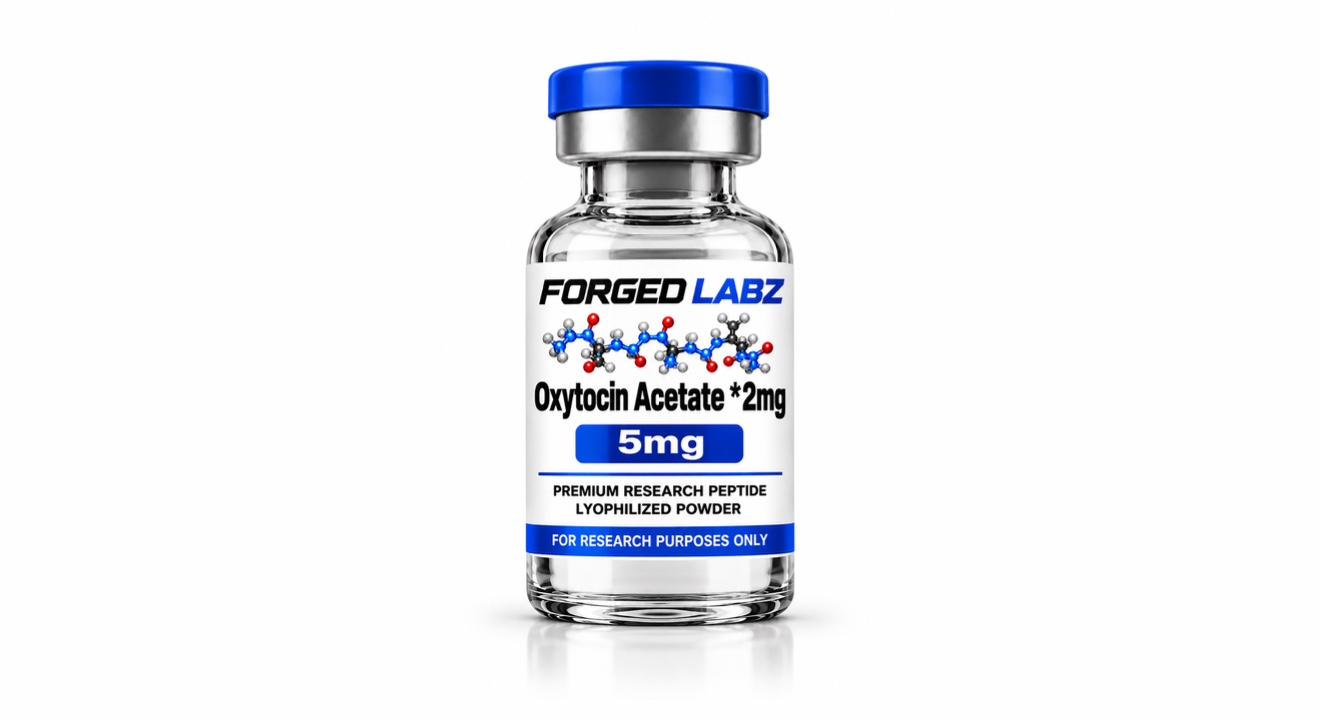
Oxytocin Acetate* 2mg
Neuropeptide Signaling | Social Bonding & Behavioral Research
$0.00
Size
Out of stock
Description
Oxytocin Acetate is a synthetic form of the naturally occurring neuropeptide oxytocin, studied for its role in social bonding, emotional regulation, stress responses, and neuroendocrine signaling. Research explores its interactions with oxytocin receptors and its influence on behavioral and physiological processes.
Research
Oxytocin Acetate 2mg — Research Notes Oxytocin Acetate is a synthetic neuropeptide studied for its involvement in social behavior, emotional processing, stress regulation, and neuroendocrine signaling. Key Research Findings: Social Bonding: Investigated for its role in social recognition, attachment, trust, and interpersonal behavior. Emotional Regulation: Studied for its influence on emotional processing, fear responses, and social cognition. Stress Response: Research explores interactions with the hypothalamic-pituitary-adrenal (HPA) axis and stress-related signaling. Neuroendocrine Activity: Oxytocin receptor activation plays a role in reproductive physiology, including uterine contractions and milk ejection. Behavioral Research: Studies examine its potential effects on social interaction and neurological pathways, with findings varying across individuals and experimental conditions. Research Summary: Oxytocin Acetate is of interest in neuroscience and behavioral research because of its role in social signaling, emotional processing, and hormonal regulation. Human studies show mixed results, and its behavioral effects depend on individual and environmental factors.
RESEARCH USE ONLY. Not for human or veterinary consumption. This product is sold to qualified researchers aged 21 or older for laboratory research purposes.